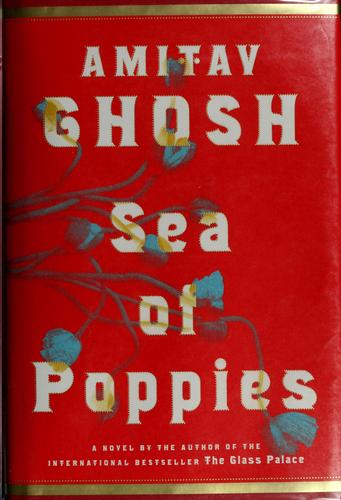
I went into Sea of Poppies expecting a straightforward historical adventure, everyone boards a ship, things happen, and instead got three books’ worth of pidgin dialects, opium economics, and a cast that keeps splintering into new allegiances every fifty pages. It’s a lot. It’s also, once it clicks, one of the more ambitious things I’ve read this year, tracking the opium trade between British India and China through characters who barely share a common language with each other, sailors and convicts and a French orphan and a Chinese merchant’s son all crammed onto one boat and one century-spanning story.
The flower trade material, the actual botany and shipping of poppies and later the orchid trade between China and Europe in the later books, sounds like it’d be dry and instead becomes one of the more vivid running threads, there’s a real tactile pleasure in how much Ghosh clearly researched the mechanics of it. Where the trilogy loses momentum is exactly where one reader I found put a finger on, long stretches carried by letters between characters instead of scenes, and letters are a rough way to sustain three books’ worth of plot no matter how well written any single one is.
River of Smoke, the middle volume, is the one people bounce off, since it drops several of the first book’s most compelling characters for a merchant-house intrigue that takes a while to earn its keep. Stick with it. Flood of Fire brings everything back together into the actual war the first two books were building toward, and the payoff justifies patience that a lot of trilogies don’t reward. Not a beach read. Worth the density if you like your historical fiction to actually smell like the century it’s set in.